
Monthly archive series: February 2026. Written and first published in October 2026.
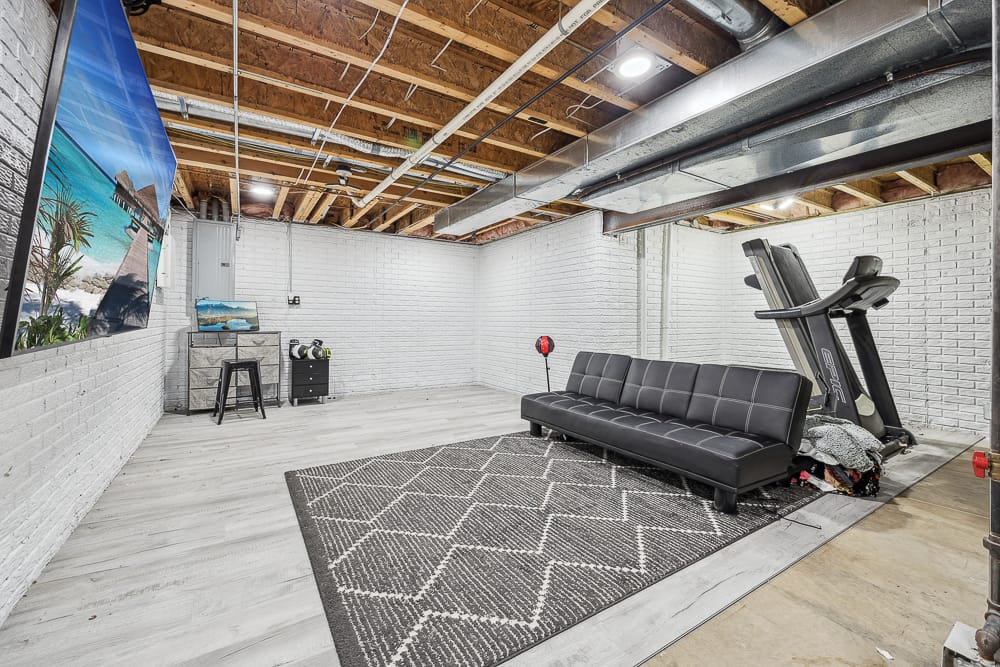
Basements, storage rooms and utility areas may not be the most decorative spaces in a home, but they can answer important buyer questions. A recreation area, workshop corner or useful storage zone may deserve a place in the gallery. The decision should depend on what the photograph explains, not whether the room can be made to resemble a finished living area.
Prepare these spaces to show their actual arrangement and condition. Clear movable clutter, keep access safe and identify which features matter. Do not use staging or editing to imply a finish, approval or function that has not been established.
Decide why the space belongs in the listing
Ask what a prospective buyer would learn from the image. The answer might be the amount and arrangement of storage, access to a rear yard, a separate recreation area or the location of laundry. If the photograph provides no useful information beyond a close view of an ordinary mechanical component, it may not belong in the main gallery.
That does not mean hiding the area from a showing or inspection. The marketing gallery is a selected presentation, while the property’s condition and required disclosures must be handled accurately through the responsible professionals. Keep those purposes distinct.
Clear paths and organize movable belongings
Group stored items neatly where practical, without blocking doors, stairs, equipment or access panels. Remove loose debris and items that could create a trip hazard. Keep preparation within the owner’s ordinary safe routines; the photographer should not move hazardous materials or decide how equipment should be handled.
Do not stack belongings to conceal a wall or floor condition. A large pile moved into the corner may hide useful space and create a misleading impression. If the room cannot be prepared appropriately, discuss its inclusion and any limitations with the agent before capture.
Show the level of finish honestly
An unfinished ceiling, exposed services or concrete floor can be part of a useful photograph when the space is described accurately. Avoid making the room appear fully finished through selective editing or decorative coverings. A buyer needs to understand what is actually present.
Use consistent terms across the image captions, floor plan and listing description. A furnished basement corner is not automatically approved living area or an additional bedroom. Have the listing professional verify any area, occupancy or permitted-use claim through the relevant information rather than the furniture arrangement.
Give the photographer a clear route
Confirm lighting, access and any restricted area. Tell the photographer about unusual switches, low clearances or equipment that must not be touched. If a space is unsafe or its condition is uncertain, keep the decision with the responsible property professional and arrange appropriate help.
For a multi-level home, show how the lower area connects to the rest of the house. A useful transition image or floor plan may explain more than several isolated views. Our multi-level presentation guide provides a framework for that sequence.
Select images for information, not repetition
One clear view may be enough for a storage area. A larger recreation space may need another angle to show its connection to a bathroom, exterior door or adjacent room. Give each image a distinct purpose and keep close-ups of equipment for a separate, specifically requested documentation need when appropriate.
Before publication, compare the selected photographs with the description. Check that room labels, level names and claims about finish agree. Make sure preparation has not hidden important features or implied that stored belongings are included with the property.
A practical-space photograph succeeds when it answers an ordinary question clearly: where would things go, how does the area connect, or what condition is it in? It does not need to compete with the living room for atmosphere. Its value is the useful information it adds to the buyer’s understanding of the home.
Photograph from the TREM419 property media library, used to illustrate this guide.