
Monthly archive series: January 2024. Written and first published in October 2026.
Winter interior photography starts with a scheduling question: when can the property be fully ready and accessible during the available daylight? Choosing an appointment only because it fits between other errands can leave the most important rooms waiting while cleaning, entry arrangements or furniture moves are still happening.
In Northwest Ohio and Southeast Michigan, a winter shoot benefits from a clear room list and a conversation about windows, access and exterior priorities. There is no single best hour for every home. Orientation, neighboring buildings, trees and the rooms being photographed all affect the useful choices.
Explain the rooms before choosing the time
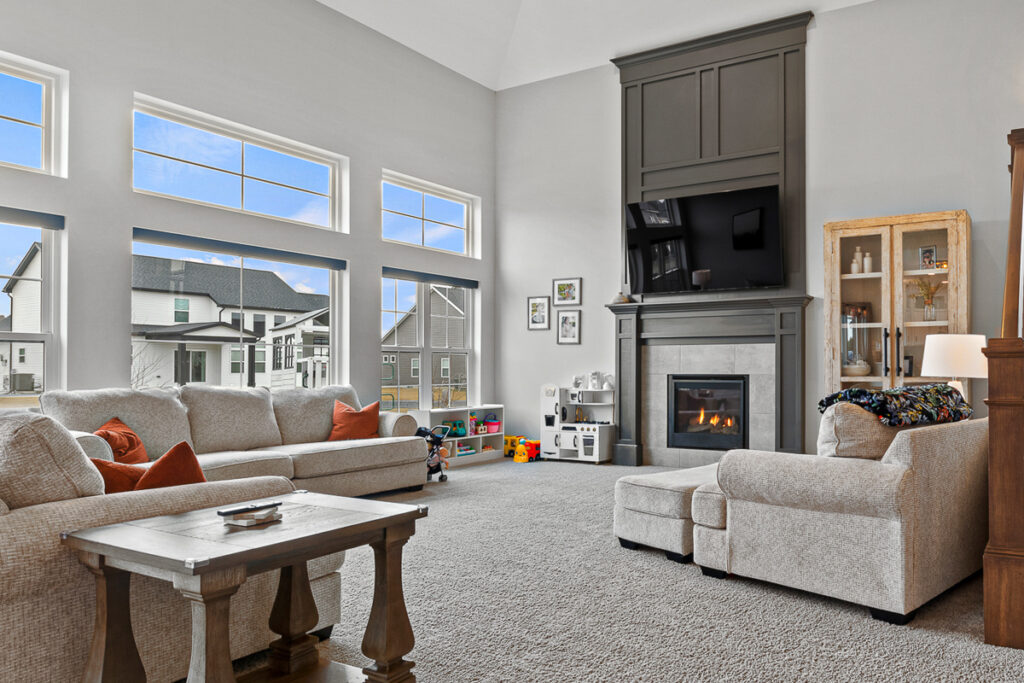
Give the photographer more than an address and a bedroom count. Mention a living room with large west-facing windows, a deep covered porch, a lower-level room or another feature that affects the light. If you do not know the orientation, describe when the room usually receives direct sun rather than guessing.
Identify the spaces that matter most to the presentation. A sunroom, window wall or view across the yard may deserve particular attention. The photographer can use that information when planning the appointment, while accounting for the actual conditions on the day. Avoid promising the seller a specific lighting effect before that conversation.
Prepare the windows without forcing a uniform rule
Clean accessible glass and straighten shades and curtains. Check for objects on window ledges and furniture that prevents a window treatment from moving normally. Keep the mechanisms usable, and tell the photographer about damaged or stuck blinds rather than trying to force them during the appointment.
Whether a shade should be raised, lowered or adjusted depends on the view and the image. A blanket instruction to open every covering may not suit every room. Have the property ready for small adjustments, and leave fragile or difficult fixtures alone. The aim is a readable interior and an honest relationship to the exterior.
Make electric lighting consistent and usable
Check ordinary light fixtures before the shoot. Replace failed bulbs with suitable replacements where the owner can safely do so, and make sure switches are accessible. Tell the photographer about fixtures that do not work or are controlled in an unusual way.
Do not buy a collection of new bulbs solely to guess at a photography technique. Start with a functioning, consistent household setup and ask if a particular issue needs attention. Mixed lighting, daylight and reflective surfaces are capture decisions; they are not problems a seller needs to solve by improvising equipment.
Our explanation of HDR photography introduces how interior and exterior brightness can be handled. It does not replace good access or remove the need to prepare the room itself.
Keep winter logistics out of the capture time
Confirm entry instructions, cleared access and a place for occupants and pets during the shoot. Wet boots, coats and cleaning materials should have a planned location outside the views. If the exterior is included, explain any inaccessible areas or conditions that may affect safe movement.
Avoid scheduling a cleaner, contractor and photographer to work in the same rooms simultaneously. A delay in one room can affect the planned route through the rest of the home. If work is running late, share the actual status early so the team can discuss a realistic adjustment.
Make a useful winter booking note
Keep the note short: address, agreed services, main room priorities, unusual windows or access restrictions, and the person who can answer questions. Include any launch deadline as a planning constraint, not as a promise about weather or delivery.
The TREM419 shoot process gives agents and sellers a common sequence to follow. With preparation complete before the appointment, the photographer can spend the available time showing the rooms, finishes and views that make the property understandable.
Photograph from the TREM419 property media library, used to illustrate this guide.