
Monthly archive series: October 2024. Written and first published in October 2026.
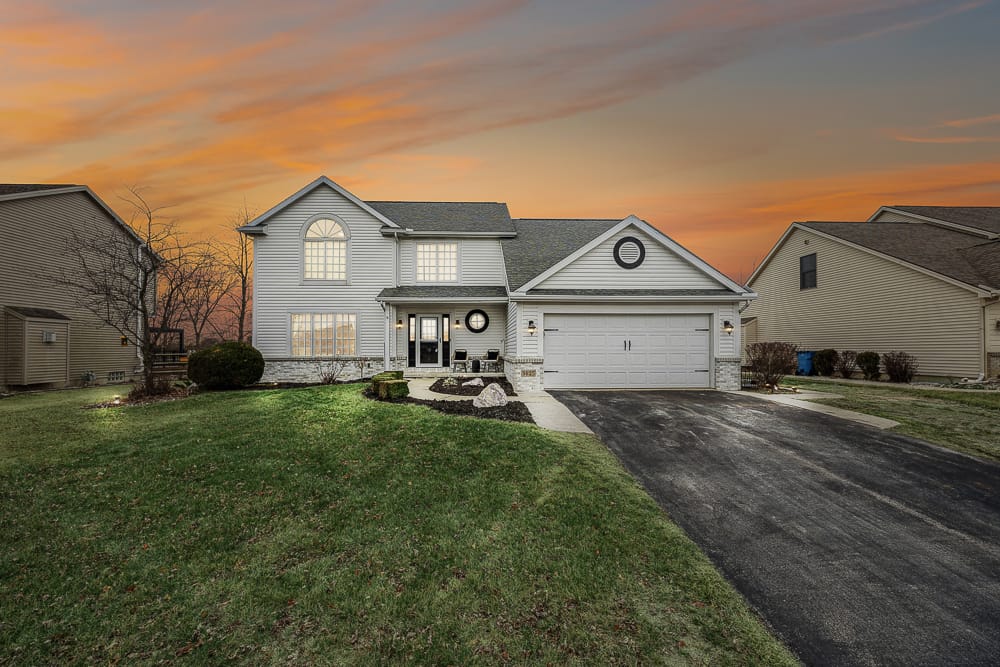
Twilight photography and a digital twilight treatment can both create an evening-style presentation, but they are different ways of making an image. An on-site twilight session captures the property during that period of the day. A digital treatment changes the appearance of a source photograph during editing.
The useful choice depends on what you need to show. If the actual evening lighting, outdoor atmosphere or relationship between interior and exterior illumination matters, discuss an on-site session. If the goal is a different presentation of an existing exterior, discuss what a digital treatment can accurately provide and how it should be identified.
Start with the feature, not the effect
Ask why an evening image belongs in the listing. A covered outdoor area, carefully arranged exterior lighting or a distinctive facade may give it a clear purpose. If the only reason is to make the gallery look different, first consider whether the ordinary exterior images already explain the property well.
An evening image should complement a clear daytime view. Buyers still need to understand the building, setting and visible condition. A dramatic presentation is not a substitute for photographs that show those details plainly.
Understand the planning involved in an on-site session
On-site twilight capture requires a suitable appointment window and a property ready at that time. Confirm access, functioning lights and the areas included. The photographer can advise on the practical sequence, while weather and the actual site conditions remain part of the decision.
Avoid a last-minute assumption that the photographer can simply stay until evening after another appointment. Discuss the service and any separate arrangements when booking. Also confirm how interior access, window coverings and occupants will be handled if lit windows are part of the intended view.
Ask what a digital treatment will change
A digital twilight treatment may change the apparent sky and lighting of a suitable source image. Ask which elements will be adjusted and what will remain unchanged. Do not treat the result as proof that exterior lights exist, operate in a particular way or illuminate an area exactly as shown.
The photograph should continue to represent the property honestly. Editing should not remove permanent neighboring structures, conceal damage or invent features that a buyer will not find. Discuss disclosure and the destination platform’s rules with the listing professional before publishing an altered image.
Prepare the property for either approach
Clear temporary clutter, arrange outdoor furniture and make the primary features visible. If an on-site evening session is planned, check the lights that are intended to appear and tell the photographer about failures or unusual controls. Do not attempt electrical repairs for the sake of the appointment; use an appropriate professional when needed.
For a digital treatment, the quality and composition of the original photograph still matter. Editing cannot be assumed to reconstruct a hidden entrance or solve every obstruction. A clear source image provides a more useful starting point than one selected only because it is already available.
Confirm the deliverable rather than relying on a label
Terms such as twilight image can be used differently in service descriptions. Ask whether the proposed item is captured on site, digitally treated or offered in more than one form. Confirm what the quoted scope includes and how the final files will be labeled. Do not infer an additional visit from a general package phrase.
Review TREM419’s current packages and discuss the intended result before booking. Keep a daytime exterior in the final set, identify relevant editing and use the evening image where it adds a specific kind of context. The strongest choice is the one whose appearance, capture method and marketing description all agree.
Photograph from the TREM419 property media library, used to illustrate this guide.