
Monthly archive series: November 2023. Written and first published in October 2026.
A compact bedroom, narrow sitting room or small dining area does not need to pretend it is something else. The most useful listing photograph shows what fits, how someone moves through the room and which features belong to the space. Preparation should make those answers easier to see.
Removing every piece of furniture is not always the answer. An empty room may leave viewers unsure of its purpose, while too much furniture can hide circulation and windows. The right choice depends on the room’s shape and the role it plays in the home, not on a rule that smaller always means emptier.
Give the room one readable purpose
Begin by identifying the room’s primary use for the photographs. A dining room that also holds exercise equipment, shipping boxes and a desk asks the viewer to decode several activities at once. Store movable items unrelated to the main use where practical, while keeping fixed features and the room’s condition visible.
This is presentation, not a claim about legal use. An agent should confirm how the space may be described in the listing. A furnished corner does not establish an additional bedroom, and a desk does not change the underlying room dimensions. Use accurate room names consistently in captions and any floor plan.
Preserve evidence of how the space works
Furniture can provide helpful scale. A bed, desk or dining table makes the room’s intended function understandable, provided it does not block the entrance or conceal important fixtures. Avoid an arrangement that only works from one camera position and leaves no usable path through the room.
Consider a hypothetical spare bedroom containing a bed, two dressers, a chair and several storage bins. Removing the bins and an unnecessary chair may reveal the floor and access to the closet. Removing the bed as well could make the photograph less informative. The best edit is the smallest one that clarifies the room without changing its meaning.
Clear surfaces before moving heavy pieces
Small objects can create a surprising amount of visual noise. Start with tabletops, window ledges, open shelves and visible cords. Keep a limited number of purposeful items and store the rest. Straighten bedding and curtains so their edges do not compete with the room’s architecture.
Then stand at the entrance. Can you identify the window, main furniture piece and route through the room? If so, heavy rearrangement may be unnecessary. If a large piece blocks a doorway, discuss a safe move before the photographer arrives. Do not expect the photography appointment to include lifting furniture or dismantling a room.
Ask for clarity from the photographs
The job of interior photography is to represent the room clearly. A very stretched-looking view may make furniture appear awkward and leave buyers with the wrong impression. A useful angle balances the amount of space shown with a believable sense of its proportions.
Some rooms need a second view to explain a closet, alcove or connection that cannot be understood in one frame. Others need only one clear image. Tell the photographer which feature matters instead of asking for the widest possible photograph. A floor plan can handle questions about arrangement that a single image cannot answer.
Make the listing agree with the room
Before publication, compare the photograph with the description and available layout information. Avoid calling a compact room expansive or implying that furniture shown virtually is guaranteed to fit. If a buyer needs dimensions for a particular use, direct that question to verified measurements and an appropriate independent check.
Use this final preparation test: the room has a clear purpose, the entrance is usable, surfaces are calm, permanent features remain visible and the description matches what the image shows. The TREM419 residential media overview can help you decide whether photographs alone explain the space or whether a floor plan or tour would add useful context.
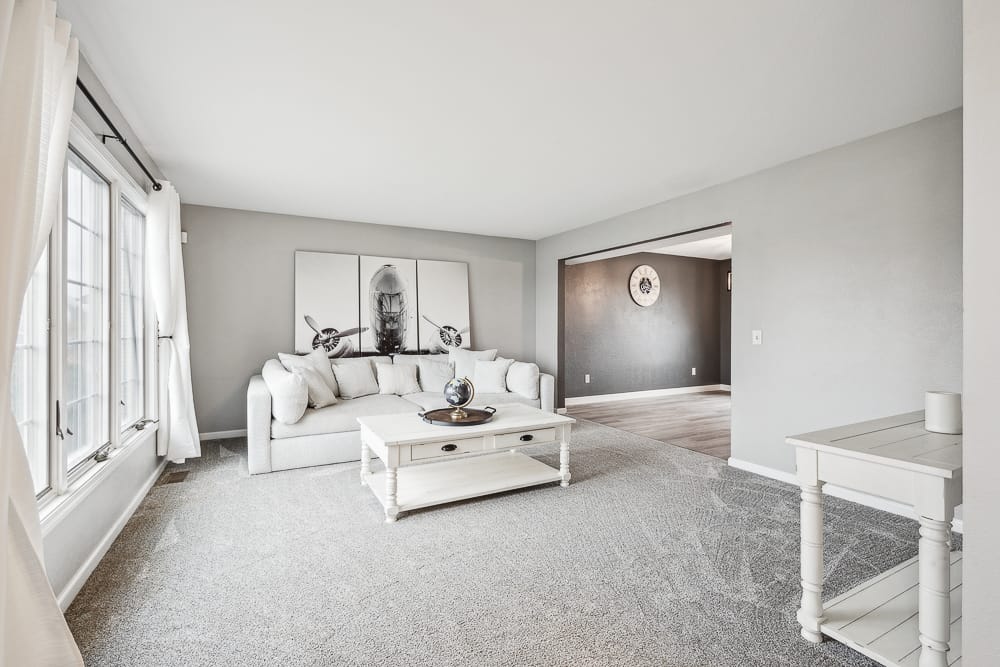
Photograph from the TREM419 property media library, used to illustrate this guide.