
Monthly archive series: July 2024. Written and first published in October 2026.
Photography at an occupied rental is a coordination task before it is a camera task. The property owner or manager needs a clear agreement about access, preparation, residents’ belongings and the rooms included. A vague message that someone will stop by for pictures leaves too many decisions for the appointment itself.
The goal is a useful marketing set that respects the people living there and accurately shows the property. Start early enough to resolve access questions through the manager’s established process. This guide is a planning checklist, not a substitute for the lease or applicable notice requirements.
Put one person in charge of the arrangements
Choose the owner, manager or agent who will coordinate with residents and give the photographer the final instructions. That person should confirm the authorized access window, entry method, contact number and scope. The photographer should not have to negotiate access at the door with someone who was not expecting the visit.
Keep legal access and resident communication with the responsible property professional. If permission or timing remains unresolved, settle it before the appointment. A scheduled shoot is not a reason to assume entry is authorized or to expand the work into additional occupied spaces.
Give residents an achievable preparation list
Focus on the rooms and surfaces that will be photographed. Ask for ordinary clearing and cleaning, with enough notice for the household to respond. Specify what will happen with pets and whether residents need to be in another area during capture. Avoid presenting the visit as a demand to transform an occupied home into a vacant model unit.
A useful list might include clearing kitchen counters, making beds, storing visible laundry and putting away personal paperwork. For a tour, explain that more directions may be visible than in selected still images. The preparation request should match the service actually ordered.
Decide how personal belongings will be handled
Residents should have an opportunity to put away sensitive documents, family photographs and valuables themselves. The photographer should not be expected to open drawers, sort belongings or decide which personal items may be published. Discuss any remaining privacy concerns before capture.
If a room cannot be prepared, decide whether to omit it, photograph it later or use another approved approach. Do not invent a clean or vacant condition through misleading editing. A limitation that is explained is preferable to a photograph that creates an inaccurate expectation.
Separate private space from shared amenities
For a multifamily property, identify which unit is being marketed and which spaces are common. Laundry rooms, halls, parking areas and outdoor spaces need clear labels. A photograph of an attractive shared area should not suggest it is exclusively included with one unit.
If photographs of another unit are proposed, the listing professional should decide whether that is appropriate and make the distinction explicit. Layout, finish and condition differences matter. Do not quietly substitute a representative unit and allow viewers to assume it is the available one.
Keep the appointment predictable
Send a short final brief with the agreed rooms, access instructions and any restrictions. Make sure the on-site contact can resolve ordinary questions. Avoid overlapping the shoot with maintenance work, showings or a move unless the sequence has been discussed in advance.
Our shoot process helps organize the basic handoff. The service overview can help the manager choose between still photography, a floor plan and a tour based on what applicants need to understand.
Before publication, review the images for accidental personal information and confirm that the unit description matches the photographs. The final set should make the property’s layout and condition understandable while preserving the boundaries agreed with the people who currently occupy it. That is a more useful foundation for rental marketing than rushing through an unplanned visit.
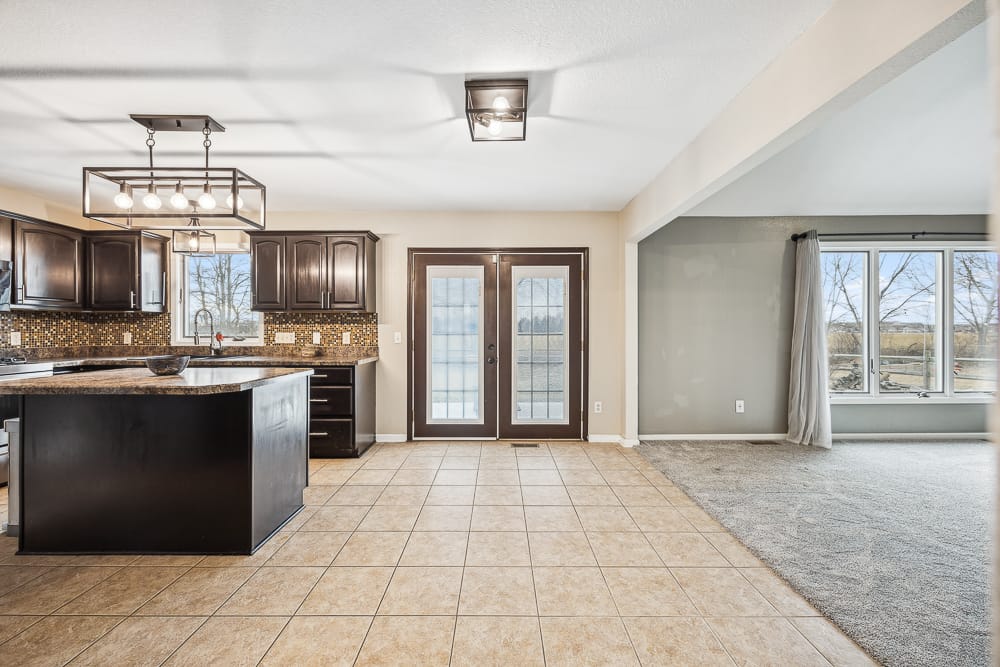
Photograph from the TREM419 property media library, used to illustrate this guide.