
Monthly archive series: February 2025. Written and first published in October 2026.
A still photograph presents a selected view. A virtual tour lets the viewer explore more directions and connections. That difference changes the preparation: a room that looks ready from its doorway may still contain clutter, private information or blocked access just outside the intended still-photo frame.
Prepare for a tour as a continuous route through the agreed spaces. The home should remain consistently ready while capture takes place, with occupants, pets and movable belongings managed through a single plan. Moving clutter from room to room is much harder when the whole route needs to stay usable.
Agree on the included spaces
Confirm which rooms, levels and outbuildings belong in the tour before the appointment. Identify locked doors, occupied areas and any location that cannot be accessed. Do not assume that a tour automatically includes every part of a property regardless of the agreed service scope.
The TREM419 service overview describes the current tour choices. Discuss the intended property and destination when booking so the format and delivery match the project. A tour’s usefulness depends on clear capture and presentation, not simply on selecting the most familiar product name.
Prepare beyond the front-facing surfaces
Walk each room slowly and turn in a complete circle. Check the area behind doors, beside furniture and opposite mirrors. Store personal paperwork, medication, visible account information and items that occupants do not want included. Turn off unnecessary screens before the photographer arrives.
Look along connections between rooms too. A tidy living room with a cluttered hallway beyond it can interrupt the experience. Keep transitions clear and avoid using an included room as a temporary storage area. The entire agreed route should make sense as one property presentation.
Give people and pets a practical plan
Decide where occupants will be during capture and who is responsible for pets. The photographer should not need to repeatedly interrupt work to ask people to move through completed areas. A simple plan agreed in advance is usually easier for everyone than improvised instructions during each room.
For an occupied rental or shared property, the manager should handle permission and resident communication before the visit. Explain the scope honestly. A tour can show more of the space than a few selected photographs, so occupants need a meaningful opportunity to prepare their belongings.
Keep the arrangement consistent
Finish furniture placement and ordinary cleaning before capture. Leave doors and window coverings available for the photographer to set as appropriate, and explain any fragile or unusual mechanism. Avoid changing the room arrangement midway through the process unless the photographer directs the adjustment.
Consistency helps viewers understand how the rooms connect. A tour should not feel as though furniture, open doors or visible belongings change unpredictably between adjacent positions. The preparation does not need to be elaborate; it needs to remain stable while the property is being documented.
Review the delivered experience, not just its cover image
Open the tour and follow the main route on a phone and a larger screen. Check room labels, navigation and whether the expected spaces are present. Look for private information or a confusing transition, and report the specific location of any issue so it can be assessed efficiently.
Check the final link in the destination where it will be used. Hosting, embedding and distribution arrangements vary, so confirm the project’s actual terms instead of assuming permanent availability or automatic appearance everywhere. Keep the approved link with the property’s other delivery files.
Our shoot and delivery guide helps organize the handoff. A well-prepared tour gives viewers a coherent way to explore the property, while still photographs provide selected views for the listing gallery. Let each format do its own job and keep both aligned with the same accurate description of the home.
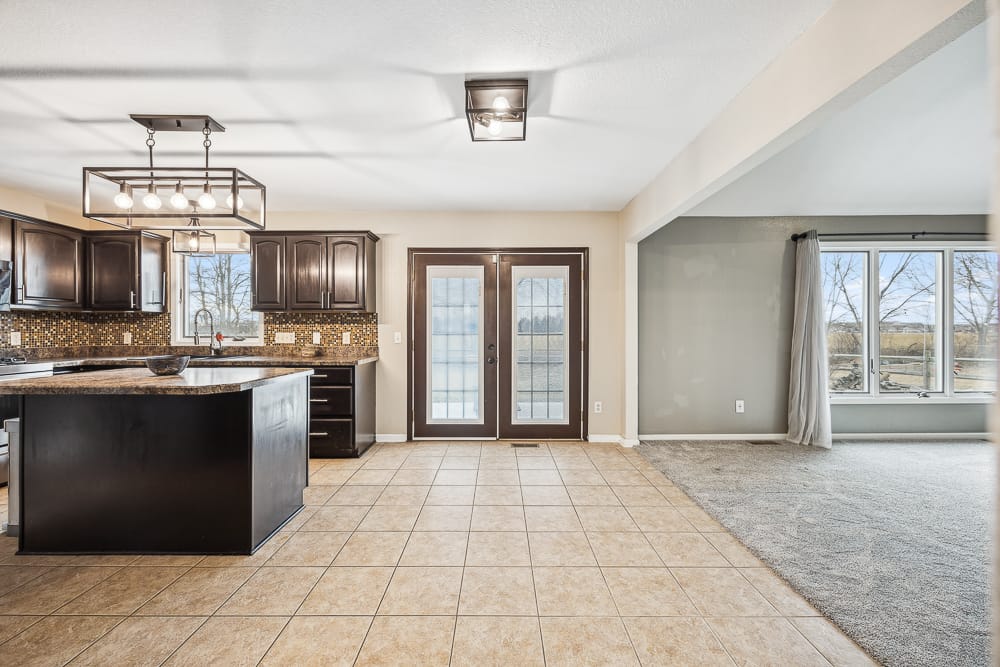
Photograph from the TREM419 property media library, used to illustrate this guide.