
Monthly archive series: September 2024. Written and first published in October 2026.
The right time to photograph a spec home is not simply the first day it can be entered. It is the point when the spaces included in the marketing are sufficiently complete, clean and accessible to represent what the builder is offering. Booking too early can produce a gallery dominated by unfinished details and temporary equipment.
A useful decision separates three things: what is finished, what will be finished before capture and what will remain incomplete. Give the photographer and listing professional that actual status rather than a general assurance that the house should be ready.
Define the purpose of this particular shoot
Progress documentation and finished-home marketing have different jobs. A progress image can honestly show exposed work and explain a construction stage. A finished marketing photograph should not quietly imply that an incomplete space is ready for use. Decide which set is being commissioned before preparing the shot list.
If the builder needs both, keep the deliverables and labels distinct. A date or construction-stage note may be appropriate for progress images. Do not mix them into a finished gallery without context and expect prospective buyers to work out which conditions are current.
Check readiness room by room
Walk the intended photography route with the person responsible for completion. Look for visible unfinished trim, missing hardware, protective coverings, open packaging and temporary lighting. Check that the features the listing intends to emphasize are actually installed and usable for the planned presentation.
A kitchen can be broadly complete while one conspicuous detail still affects every photograph. A finished bathroom may remain inaccessible because it is being used for storage. Record those issues individually, including who will resolve them and when. The appointment should depend on a realistic completion plan, not optimism.
Leave a real cleaning interval
Construction cleanup and final photo preparation are separate tasks. Dust, labels, protective film and supplies can remain after major work ends. Allow enough time for appropriate cleaning and for wet surfaces to dry. Do not schedule the photographer to work around active sanding, installation or a crew’s final cleanup.
Keep safety with the site supervisor. Restricted areas, unfinished access routes and active work zones need to be identified in advance. The photographer should not move tools, cross barriers or decide whether a construction area is safe to enter. If a view cannot be captured safely, discuss another time or a narrower scope.
Make the exterior decision separately
The house may be ready before landscaping, paving or other exterior work is complete. Decide whether current exterior photographs would accurately serve the listing, whether they need a clear explanation or whether that portion should wait. Do not assume digital editing will substitute for unfinished physical work.
For a builder preparing several similar homes, confirm the exact address and finishes represented in every file. Images of a model or another property require clear identification and appropriate usage rights. A representative image should never quietly become evidence of the available home’s actual condition.
Use a readiness message that can be acted on
Send a concise update before the appointment: rooms ready, unresolved visible items, access contact, active work restrictions and the purpose of each deliverable. If the schedule changes, report what changed early enough for a practical discussion.
The TREM419 shoot process provides the basic sequence. The service menu can help the builder decide whether photographs, a floor plan, aerials or a tour are needed for the finished presentation.
After delivery, compare the images with the property’s condition at launch. If work completed after the shoot materially changes the rooms or exterior, identify which views need updating. A clear readiness decision protects the usefulness of the media and avoids asking buyers to distinguish completed work from promises that the images do not explain.
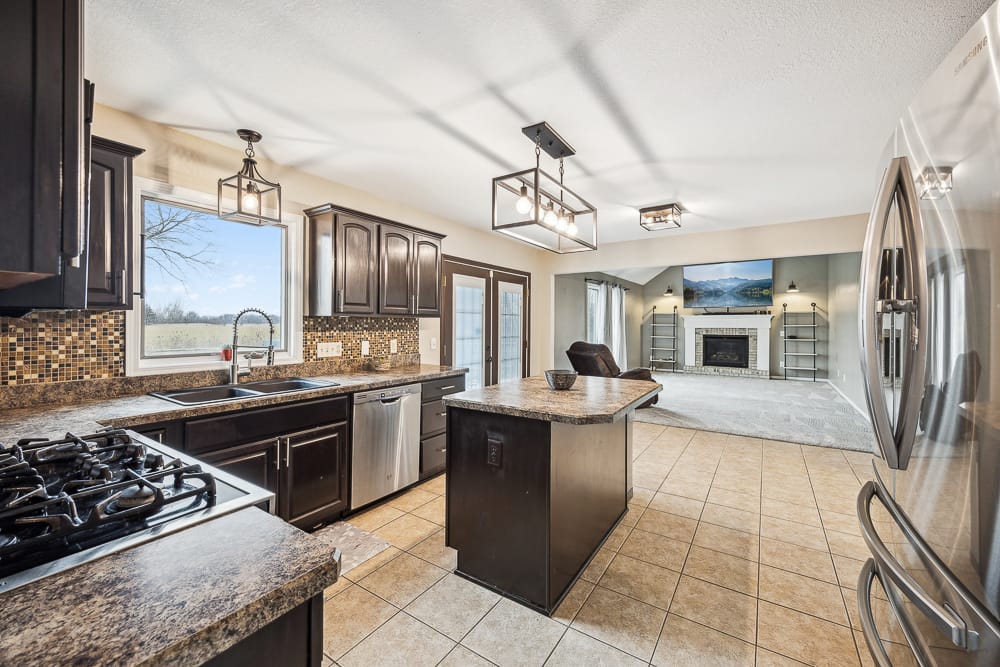
Photograph from the TREM419 property media library, used to illustrate this guide.